Summary:
What Is a Boundary Survey and Why Does It Matter?
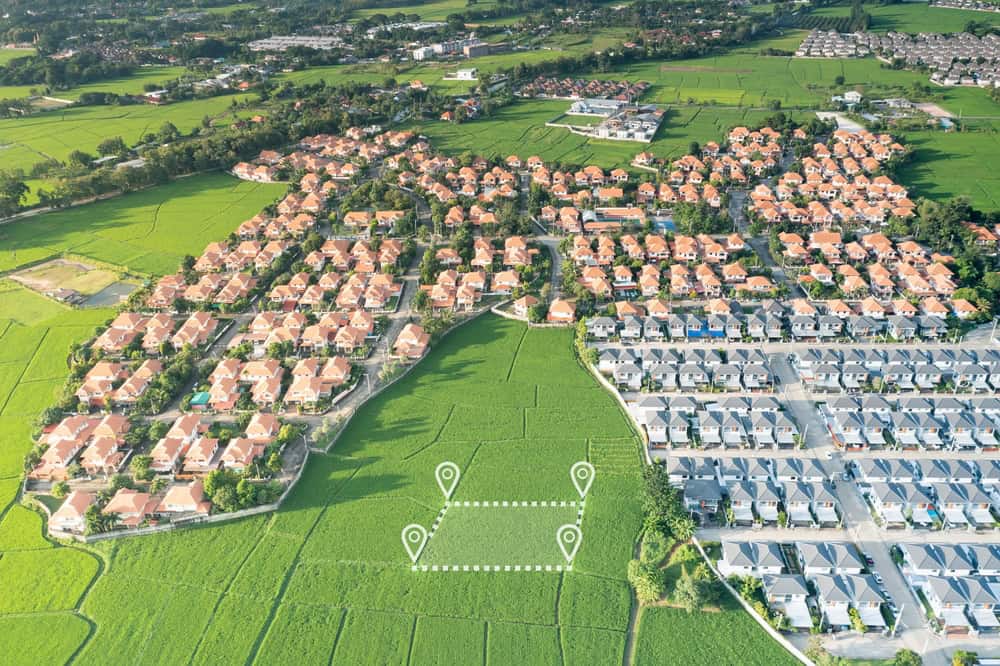
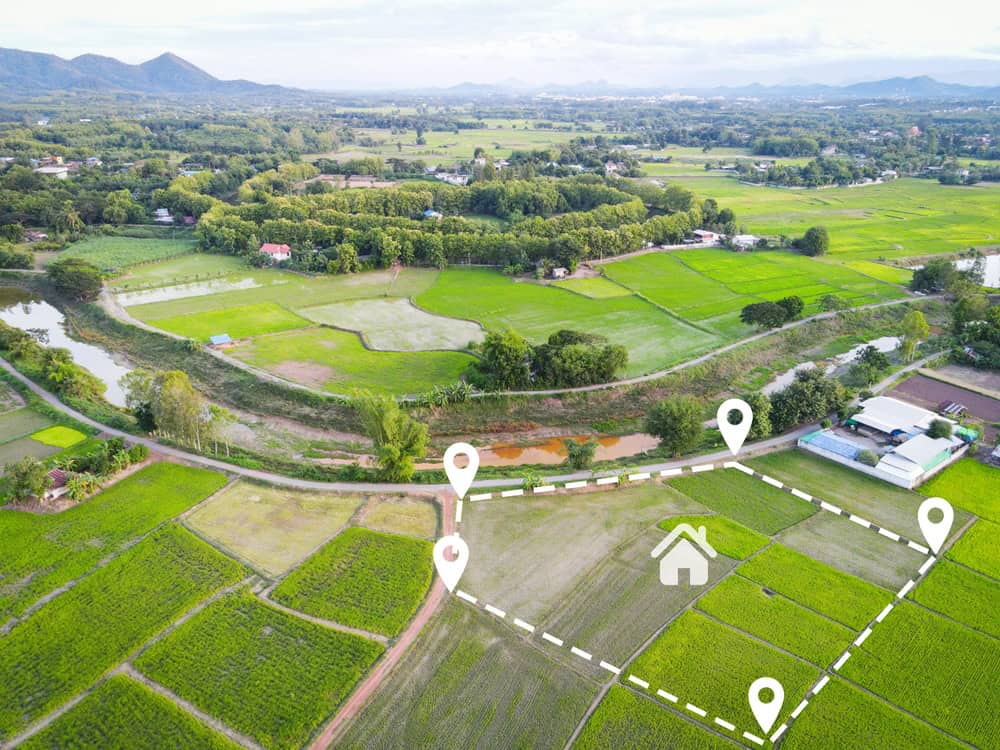
A boundary survey determines the exact legal boundaries of your property. It’s not an estimate or a visual guess. It’s a licensed surveyor physically locating your property corners, measuring distances and angles, researching deed records, and creating a detailed map that shows where your land begins and ends.
The survey drawing includes your property lines, the location of structures like your house or shed, any easements or access rights, and whether anything encroaches over the line. It’s signed and sealed by a Florida-licensed Professional Surveyor and Mapper, which makes it a legal document you can use in court, at closing, or when applying for permits.
Why does it matter? Because assumptions about property lines lead to problems. You might think that old fence marks the boundary. Your neighbor might think the same thing. But if neither of you has a survey, you’re both guessing. And when you guess wrong, you end up in disputes, facing removal orders, or stuck in expensive legal battles that a $500 survey would have prevented.
What Does a Boundary Survey Actually Show?
A Florida boundary survey gives you a complete picture of your property’s legal boundaries and what sits on or near them. The survey drawing will show your property corners marked with physical monuments—usually iron rods or concrete markers set in the ground. These corners define the exact edges of your land based on the legal description in your deed.
You’ll see the dimensions and bearings of each property line, which are the measurements surveyors use to define boundaries. The drawing also maps any structures on your property—your house, garage, shed, driveway, pool, or fence—and shows how far each sits from the property lines. This is critical for checking setback compliance and spotting encroachments.
Easements show up on the survey too. These are areas where someone else has legal rights to use part of your land, like utility companies running power lines or a neighbor with access rights to reach their property. You need to know where these are because they limit what you can build or plant in those areas.
If your neighbor’s fence, driveway, or building crosses onto your property, the survey will document that encroachment. Same thing if your improvements extend onto their land. Seeing this on paper before you buy, build, or argue gives you the information to fix problems early or negotiate solutions.
The survey also includes a written legal description of your property that matches your deed. This description uses specific measurements and reference points to define your boundaries in a way that holds up legally. When you need to prove ownership, apply for permits, or resolve a dispute, this legal description is what matters.
Florida-licensed surveyors follow state standards that require specific details on every survey drawing. You’ll get the surveyor’s seal and signature, the date of the survey, a north arrow, the scale of the drawing, and references to the deed and plat records the surveyor used. All of this creates a permanent, legally defensible record of your property boundaries.
When Do You Actually Need a Boundary Survey in Florida?
You don’t need a boundary survey for every situation, but there are times when skipping one is expensive. If you’re buying property, a boundary survey shows you exactly what you’re paying for. Sellers sometimes provide old surveys, but those might not reflect current conditions or improvements. Lenders often require a current survey before they’ll approve your mortgage because they want to confirm the property description matches what’s being financed.
Planning to build a fence, pool, or addition? Get the survey first. Florida counties enforce setback requirements that dictate how far structures must sit from property lines. If you build without knowing your exact boundaries, you risk violating setbacks, which means fines, permit denials, or tearing down what you just built. A survey shows you where you can safely build without crossing lines or violating codes.
Boundary disputes with neighbors are another common reason people order surveys. Maybe their fence looks like it’s on your land, or you’re not sure if your driveway encroaches on theirs. A survey gives you documented proof of where the legal line sits, which often resolves the disagreement without lawyers. If it does go to court, you’ll need that survey anyway.
Subdividing land or combining parcels requires a boundary survey to create new legal descriptions and plat maps. Counties won’t approve subdivision plats without a certified survey showing the new boundaries meet minimum lot size and access requirements.
Even if you’re not buying, building, or fighting with neighbors, a survey makes sense if your property hasn’t been surveyed in five or more years. Property conditions change. Development happens. Monuments get disturbed or removed. Older surveys might not show recent improvements or easements. A current survey gives you updated, accurate information that protects you from surprises.
In Martin County, Okeechobee County, and Indian River County, development is ongoing and property values are significant. Getting a boundary survey before problems arise keeps you ahead of issues that cost far more to fix than the survey itself.
How Much Does a Boundary Survey Cost in Florida?
Boundary survey costs in Florida typically range from $400 to $1,200 for standard residential properties. The exact price depends on several factors: property size, terrain, how much research is required, and how accessible your property is.
A small, platted lot in a subdivision with clear records and existing monuments usually falls on the lower end of that range. Larger properties, irregular shapes, dense vegetation, or properties that require extensive deed research push costs higher. If the surveyor has to spend hours at the county courthouse piecing together old plat maps and deed descriptions, that research time adds to your bill.
Properties in rapidly developing areas or older neighborhoods where original monuments are missing take longer to survey. The surveyor might need to locate adjoining property corners, reconcile conflicting deed descriptions, or set new monuments where old ones have been disturbed or destroyed.
What Affects the Cost of Your Property Survey?
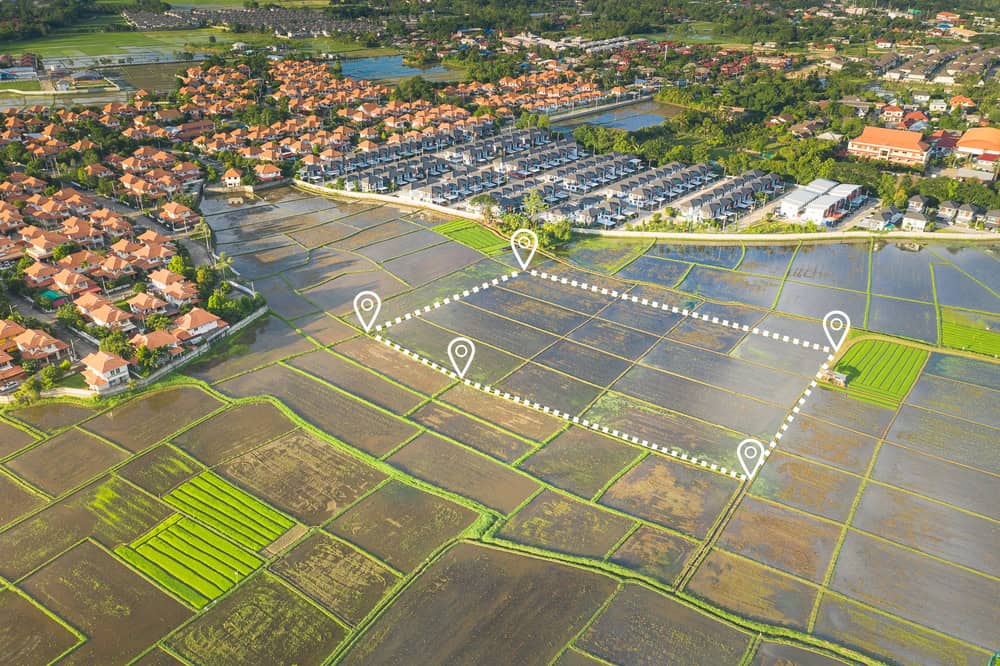
Property size is the most obvious cost factor. A quarter-acre lot takes less time to survey than five acres. More land means more corners to locate, more measurements to take, and more area to document. Surveyors often price by the acre or by the complexity of the boundary, so larger properties naturally cost more.
Terrain and vegetation matter too. If your property is flat, clear, and easy to access, the surveyor can work efficiently. But if it’s heavily wooded, steep, or covered in thick brush, the crew spends more time clearing sight lines and navigating obstacles. Swampy areas or properties with water features add complexity that increases both time and cost.
The age and clarity of your property records directly impact survey costs. Properties with recent, clear plat maps and well-documented deed descriptions are straightforward. But older properties, especially those that haven’t been surveyed in decades, might have vague legal descriptions, missing records, or conflicting information between deeds and plats. The surveyor has to research historical records, locate old monuments, and reconcile discrepancies, which takes time.
If your property corners are already marked with visible, undisturbed monuments, the surveyor can locate them quickly. But if monuments are missing, buried, or destroyed, the surveyor must re-establish corners based on deed descriptions and surrounding property surveys. Setting new monuments adds labor and materials to the cost.
Travel distance and scheduling can affect pricing too. If you’re in a remote part of Okeechobee County, we factor in travel time. Rush jobs or surveys needed on tight timelines might carry premium fees. Some surveyors offer volume discounts for title companies or developers ordering multiple surveys, but individual homeowners typically pay standard rates.
Most surveyors provide free quotes after reviewing your property address and parcel information. It’s worth getting estimates from multiple licensed surveyors to compare pricing, but remember that the cheapest option isn’t always the best. You want accuracy and legal defensibility, not just a low price. A survey done wrong costs far more to fix than paying for quality work upfront.
How Long Does a Boundary Survey Take to Complete?
Most residential boundary surveys in Florida take one to two weeks from the time you order to the time you receive the finished survey drawing. That timeline includes research, fieldwork, and preparing the final document. Smaller, straightforward properties might be completed faster, while larger or more complex surveys can take three weeks or longer.
We start with research before ever visiting your property. We review your deed, search county records for plat maps, locate previous surveys, and examine adjoining property deeds to understand how boundaries were established. This research phase can take a few days to a week, depending on how much information is available and how clear the records are.
Fieldwork usually takes one day for a typical residential lot, though larger properties or difficult terrain might require multiple site visits. Our survey crew locates property corners, measures distances and angles, identifies improvements and easements, and sets or verifies boundary monuments. Weather can delay fieldwork, especially in Florida where afternoon storms are common during summer months.
After fieldwork, we process the data, create the survey drawing, write the legal description, and prepare the final document. This office work takes several days. We must ensure everything is accurate, complete, and meets Florida’s surveying standards before signing and sealing the document.
If you need a survey for a real estate closing, tell us your deadline upfront. We can accommodate closing schedules if given reasonable notice. Last-minute rush surveys are possible but might cost extra and still take at least several days. During busy seasons—typically spring and summer when construction and real estate activity peak—surveyors have longer backlogs, so plan ahead.
In Martin County, Indian River County, and Okeechobee County, our familiarity with the area helps us complete work faster because we already know the platting systems, common boundary issues, and county record-keeping practices. That local knowledge saves time on research and reduces the chance of delays.
How to Choose the Right Boundary Surveyor in Florida
Start by verifying the surveyor is licensed in Florida. The Florida Department of Agriculture and Consumer Services licenses Professional Surveyors and Mappers, and you can check their status online. Only licensed surveyors can legally perform and certify boundary surveys in Florida. Don’t hire someone who isn’t properly credentialed, no matter how cheap they are.
Look for experience with residential or commercial boundary surveys, depending on your property type. Ask how long they’ve been surveying in Martin County, Okeechobee County, or Indian River County. Local knowledge matters because surveyors familiar with the area understand regional platting systems, common boundary issues, and local zoning requirements.
Check what technology they use. Modern surveyors use GPS equipment and sometimes 3D laser scanning for enhanced accuracy and efficiency. These tools provide centimeter-level precision and detailed documentation that older methods can’t match. Surveyors still using outdated equipment might take longer and deliver less accurate results.
Ask about their deliverables. You should receive a detailed survey drawing that includes property lines, corners, improvements, easements, setbacks, and a legal description. The drawing should be signed and sealed by the licensed surveyor. Make sure you’ll get both a paper copy and a digital file, which makes it easier to share with builders, lenders, or attorneys.
Get a clear quote that explains what’s included and what might cost extra. Some surveyors charge separately for setting additional boundary markers, providing extra copies, or rush service. Understand the timeline and what could cause delays. A good surveyor communicates clearly about what you’ll receive, when you’ll receive it, and what it will cost.
Read reviews or ask for references from past clients. Other homeowners, real estate agents, or builders can tell you if the surveyor was professional, accurate, and timely. A surveyor with a solid local reputation is usually a safe choice.
Finally, consider communication and responsiveness. You want a surveyor who answers questions, explains the process, and keeps you updated on progress. If they’re hard to reach or unclear during the quote process, that probably won’t improve once you hire them.