
Summary:
When Buying or Selling Property in Florida
Most real estate transactions in Florida don’t legally require a survey. But that doesn’t mean you should skip one.
If you’re financing the purchase, your lender will almost certainly require a current survey before approving the loan. Title companies often need one too, especially for properties with unclear boundaries or older plat maps. Without it, they won’t issue title insurance that covers boundary disputes or encroachments.
Even if you’re paying cash, a property survey protects you from inheriting someone else’s mistakes. That fence the previous owner installed? It might be three feet onto the neighbor’s property. The shed in the backyard could be sitting on a utility easement. A survey reveals these issues before you own them.
What Buyers Need to Know About Property Surveys
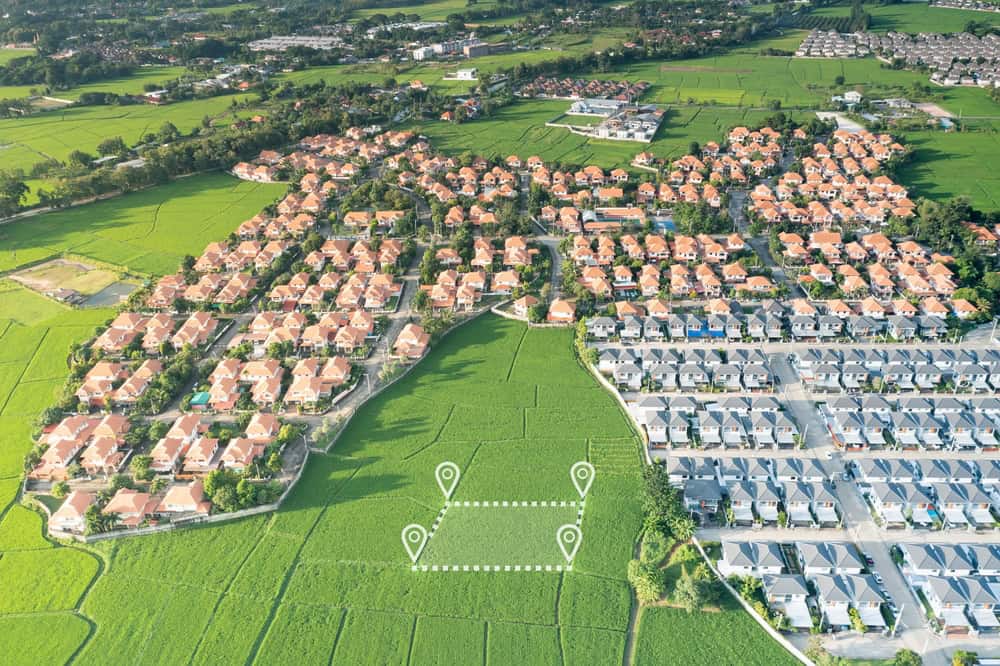
When you’re buying property in Martin County, Okeechobee County, or Indian River County, a boundary survey gives you a clear picture of what you’re actually purchasing. It shows exact property lines, confirms the acreage matches the listing, and identifies any easements that could limit how you use the land.
Easements are one of the biggest surprises for new homeowners. These are legal rights that allow utility companies, municipalities, or neighbors to access parts of your property. You might find out that perfect spot for your garage sits on a drainage easement, or that the power company has the right to trim trees along your back property line.
The survey also reveals encroachments—when a structure from a neighboring property crosses onto yours, or vice versa. Maybe the neighbor’s driveway extends two feet onto your land. Maybe the previous owner’s fence is actually on the neighbor’s property. These issues are much easier to address before closing than after you’ve signed the paperwork.
Florida’s coastal areas and diverse terrain add another layer of complexity. Properties near water may have special setback requirements. Areas with high water tables or flood zones might need elevation certificates. A professional land surveyor familiar with local regulations can identify these factors early, before they become deal-breakers.
Timing matters here. Most surveys take one to two weeks to complete, sometimes longer during busy seasons. If you wait until the week before closing to order one, you’re risking delays. Start the process as soon as your offer is accepted. That gives you time to review the results, address any issues, and keep your transaction on schedule.
The cost typically ranges from $450 to $1,200 for residential properties in Florida, depending on lot size and complexity. That might seem like an unnecessary expense, but compare it to the cost of a legal dispute over property lines or tearing down a structure that encroaches on your neighbor’s land. The survey is cheap insurance.
Why Sellers Should Get a Survey Before Listing
If you’re selling property, having a current survey ready can make your listing more attractive and prevent issues during the transaction. Buyers appreciate transparency, and providing a recent survey shows you have nothing to hide about the property boundaries.
A survey also helps you price the property accurately. If your lot is larger than you thought, that’s a selling point worth highlighting. If it’s smaller, better to know now than have a buyer discover it during their due diligence and try to renegotiate.
More importantly, a land survey can reveal problems you didn’t know existed. Maybe that fence you installed five years ago is actually on your neighbor’s property. Or the shed sits partially in a utility easement. Discovering these issues before listing gives you time to address them properly, rather than scrambling to fix problems after a buyer’s survey uncovers them.
In Florida’s competitive real estate market, anything that speeds up the closing process gives you an advantage. When buyers don’t have to wait for a survey, or when their lender accepts the one you provide, the transaction moves faster. Fewer delays mean fewer opportunities for deals to fall apart.
Florida building codes and local regulations vary by county. What’s acceptable in Martin County might not meet requirements in Okeechobee County or Indian River County. A licensed land surveyor who knows the local rules ensures your property documentation meets all necessary standards, preventing last-minute complications that could derail your sale.
Building Fences, Pools, and Home Additions in Florida
Planning to build something on your property? Whether it’s a fence, pool, shed, or room addition, you need to know exactly where your property lines are. Building on the wrong side of those lines creates legal headaches that are expensive to fix.
Florida building codes require specific setbacks from property lines. Pools typically need to be at least five feet from the boundary. Fences have their own regulations that vary by municipality. If you build based on guesswork and get it wrong, the building department can make you tear it down and start over.
A boundary survey before construction prevents these problems. It shows you exactly where you can build, identifies any easements that might restrict your plans, and gives you the documentation needed for permit applications.
Survey Requirements for Pools and Fences
Building a pool in Florida requires more than just hiring a contractor and breaking ground. Most municipalities require a property survey as part of the building permit application. The survey confirms your pool placement meets setback requirements and doesn’t encroach on easements or neighboring properties.
In many Florida jurisdictions, pools must be set back at least five feet from property lines. They also can’t be built within 10 feet of overhead electric cables. Drainage is another critical factor—building departments want to ensure rainwater stays on your property and doesn’t flow onto neighbors’ land or streets. A topographical survey provides the elevation data needed to address these drainage requirements.
Pool fencing adds another layer of complexity. Florida’s Residential Swimming Pool Safety Act requires barriers around pools to prevent accidental drownings. These barriers must meet specific height and spacing requirements. While the survey itself doesn’t design your pool fence, it shows where property boundaries are so you can position fencing correctly.
Fence installation seems simpler, but it carries its own survey requirements. Many Florida counties require a survey or site plan before issuing a fence permit. This ensures the fence stays on your property and meets setback requirements from roads and easements.
The bigger issue with fences is neighbor disputes. If you install a fence on what you think is your property line, but a later survey shows it’s actually two feet onto your neighbor’s land, you’ve created a legal problem. Your neighbor can demand you move the fence, and you’ll bear the cost of relocating it. Getting a survey first eliminates this risk.
Setback requirements vary significantly across Florida. In Martin County, fence regulations differ from those in Indian River County or Okeechobee County. Some areas have stricter rules for corner lots. Others have special requirements for properties near water. A licensed surveyor familiar with local ordinances ensures your project meets all applicable codes from the start.
Room Additions, Subdivisions, and Accessory Structures
Room additions, garages, sheds, and other accessory structures all need to comply with local setback requirements. These regulations dictate how close you can build to property lines, and they vary based on whether the structure is in your front, side, or rear yard.
A land survey shows you exactly where these setback lines fall on your property. Without one, you’re guessing. And if you guess wrong, the building inspector will catch it during the permit review or inspection process. At that point, you’ve already invested in architectural plans and possibly started construction. Fixing the problem means redesigning, reapplying for permits, and potentially relocating partially completed work.
Easements create additional restrictions. You can’t build over utility easements, drainage easements, or access easements. These aren’t always obvious from looking at your property. That clear space in your backyard might look perfect for a shed, but if it sits on an easement, you can’t build there. The survey identifies these restrictions before you commit to a design.
If you’re considering subdividing your property—splitting one parcel into two or more lots—a subdivision survey becomes essential. This process requires detailed boundary surveys, compliance with local platting regulations, and approval from county planning departments. In Martin County, Okeechobee County, and Indian River County, subdivision requirements include specific standards for lot sizes, road frontage, drainage, and utility access. A professional surveyor prepares the plat maps and documentation needed for approval, ensuring each new lot meets minimum zoning requirements.
The subdivision process also requires verification that newly created lots can support their intended use. This means confirming adequate road access, proper drainage, and compliance with comprehensive land use plans. Attempting to subdivide property without professional surveying often results in rejected applications and wasted time.
Florida’s climate adds unique considerations. Properties in flood zones may need structures built at specific elevations. Coastal areas have additional wind resistance requirements. While the survey itself doesn’t address these building code issues, it provides the foundation data—elevation, property boundaries, easement locations—that architects and engineers need to design compliant structures.
Protecting Your Property Investment with Professional Surveys
The pattern is consistent across every scenario: surveys cost a few hundred dollars now or thousands in legal fees and reconstruction later. Whether you’re buying property, selling, building improvements, subdividing land, or resolving a boundary question, getting a professional survey protects your investment.
Florida’s unique landscape—coastal properties, flood zones, diverse terrain—makes accurate surveying even more critical. Local regulations in Martin County, Okeechobee County, and Indian River County each have specific requirements that affect when and what type of survey you need.
The key is timing. Don’t wait until you’re in the middle of a dispute or facing permit delays to get a survey. Start the process early, whether that’s as soon as your real estate offer is accepted or before you finalize plans for construction. That gives you time to address any issues the survey reveals and keeps your project moving forward. When you’re ready for professional land surveying services that combine modern technology with local expertise, we handle residential and commercial projects throughout Martin County, Okeechobee County, and Indian River County.