Summary:
You’ve found the perfect property, but there’s one problem—you can’t legally reach it without crossing someone else’s land. Or maybe you just discovered an easement on your property deed and aren’t sure what it means for your plans. Access road easements affect thousands of property owners in Martin County, and the stakes are high when access rights aren’t properly documented.
The good news? Florida law protects property owners’ right to access their land, even when it’s surrounded by other parcels. But those protections only work when easements are properly surveyed, documented, and recorded. Let’s walk through what you need to know about access road easements, your legal rights, and how professional surveys keep your property accessible and your investment protected.
What Is an Access Road Easement
An access road easement is a legal right that allows you to use a specific portion of someone else’s property to reach your own land or connect to a public road. You’re not buying their property. You’re securing the right to cross it for access purposes.
Think of it as a designated pathway with legal protection. The property owner still owns the land beneath that pathway, but they can’t block your right to use it. In Florida, these easements are created through written agreements, implied by necessity when land is divided, or established through long-term use under specific legal conditions.
Access easements become critical when properties lack direct frontage to public roads. Without one, you could own land you can’t legally reach—a situation that affects property value, development potential, and even your ability to secure financing or sell.
Access to Landlocked Property
Landlocked property is surrounded on all sides by land owned by others, with no direct route to a public road. If you own landlocked property in Martin County, you’re not stuck. Florida law recognizes that property must be usable, and access is essential to that use.
Under Florida Statutes Section 704.01, property owners have legal pathways to secure access. An easement by necessity arises when a property becomes landlocked after land is divided, and there’s no other reasonable way to reach it. Florida courts have consistently held that when a larger parcel is split and one piece loses access, the law implies an easement over the neighboring land to restore that access.
But here’s where it gets specific. To claim an easement by necessity, you typically need to prove that both parcels were once owned by the same person and that the division created the landlocked situation. That’s where professional surveys become invaluable—they provide the documented evidence courts and county offices require.
Even if your situation doesn’t fit the necessity criteria, you have options. You can negotiate a voluntary easement agreement with a neighbor, purchase access rights outright, or explore prescriptive easements if you’ve been using a route openly and continuously for 20 years in Florida. Each path has different requirements, costs, and legal implications.
The key is acting before you need to sell, build, or secure a loan. Lenders are often hesitant to finance landlocked property without clear, recorded access rights. Buyers will discount your asking price—or walk away entirely—if access is uncertain. Establishing your easement rights early protects your investment and keeps your options open.
Billboard Easement and Commercial Access Rights
Billboard easements represent a specific type of access agreement common in commercial real estate and along major roadways in Martin County. These easements grant a company or individual the perpetual right to place and maintain a billboard structure on someone else’s property, along with access to service it and protect its visibility from the road.
Unlike simple access easements, billboard easements involve multiple components. The agreement must define the physical footprint where the structure sits, the access route for maintenance and installation, utility connections for electricity, and critically, visibility protections that prevent the property owner from blocking the sign’s view with buildings, trees, or other structures.
From a property owner’s perspective, billboard easements can provide upfront income—often paid as a lump sum for perpetual rights—but they also create long-term restrictions on how you can develop or use portions of your land. That’s why professional surveys are essential before signing any billboard easement agreement. You need precise documentation showing exactly where the easement boundaries lie, what areas are restricted, and how those restrictions affect your future plans.
For billboard companies, proper surveying protects their investment. A survey that legally describes and visually depicts the easement boundaries becomes part of the recorded agreement, preventing disputes about placement, access, or visibility rights down the road. It also ensures compliance with Martin County zoning regulations and setback requirements.
Whether you’re granting a billboard easement or purchasing property with one already in place, understanding the full scope of those rights matters. The easement runs with the land, meaning it transfers to future owners. What seems like a minor restriction today could significantly impact a development project years from now. Professional land surveyors identify these issues early, giving you the information you need to negotiate fair terms or make informed purchase decisions.
Real Estate Easement Agreement Requirements
A real estate easement agreement is the legal document that establishes who can use which portion of property, for what purpose, and under what conditions. In Florida, these agreements must meet specific requirements to be enforceable and properly recorded in Martin County public records.
First, the agreement must be in writing. Verbal promises about access don’t hold up in court or protect future property owners. The written agreement needs to clearly identify all parties involved—the grantor who owns the property and the grantee who receives the access rights.
Second, the easement must include a precise legal description of the property and the specific area where the easement applies. This is where professional land surveys become non-negotiable. A survey provides the metes and bounds description, measurements, and visual documentation that make the easement enforceable and recordable.
How Surveyors Document Easement Rights
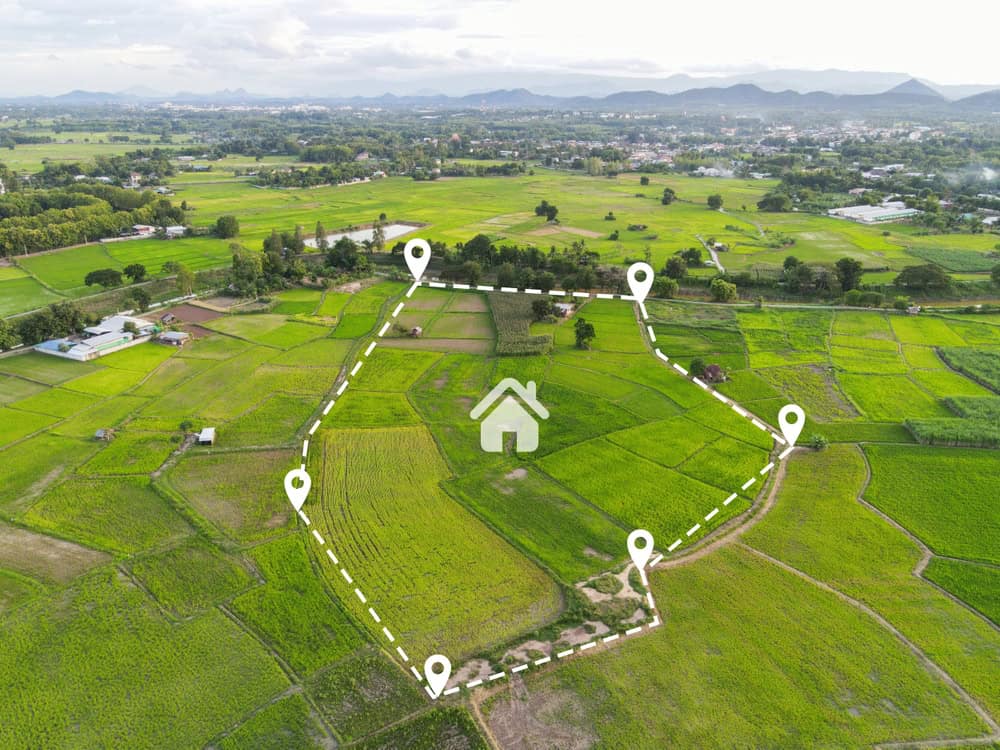
Professional land surveyors play a critical role in documenting easement rights that hold up legally and protect all parties involved. The process starts with researching property deeds, title documents, and existing surveys to understand the property’s history and any easements already on record.
Next, surveyors conduct fieldwork using GPS technology, total stations, and 3D laser scanning to precisely measure property boundaries and the proposed or existing easement area. In Martin County, this often involves navigating varied terrain, identifying property corners that may be decades old, and accounting for any encroachments or improvements that affect the easement.
The surveyor then creates a detailed plat—a scaled map showing property lines, the easement location, dimensions, access routes, and any relevant features like driveways, utilities, or structures. This plat becomes part of the official easement agreement and gets recorded with the county, creating a permanent public record that future buyers, lenders, and title companies can reference.
For access road easements specifically, surveyors document the width of the access route, its exact path across the servient property, connection points to public roads, and any areas needed for turning or parking. They also identify potential conflicts—maybe the proposed route crosses a septic system, cuts through a protected wetland, or violates setback requirements. Catching these issues during the survey phase prevents expensive problems later.
Professional surveyors also ensure compliance with Florida Administrative Code Rule 5J-17, which governs minimum technical standards for surveys in the state. This includes proper monumentation, accurate measurements, and documentation that meets both state law and Martin County’s specific recording requirements. When easement disputes end up in court, a professionally prepared survey often provides the evidence that resolves the conflict.
Licensed surveyors in Florida must also carry professional liability insurance and adhere to ethical standards set by the Florida Board of Professional Surveyors and Mappers. This protects property owners from errors and ensures the survey will hold up under legal scrutiny. For something as important as permanent access rights to your property, working with licensed professionals isn’t optional—it’s essential protection.
Recording Easements with Martin County
Recording your easement agreement with Martin County isn’t just a formality—it’s what makes the easement legally binding on future property owners and provides public notice of the access rights. Without proper recording, your easement could be challenged, ignored, or lost entirely when property changes hands.
The recording process in Martin County requires submitting the signed easement agreement along with the surveyor’s plat to the county clerk’s office. Both documents must meet specific formatting requirements, include proper legal descriptions, and be signed by all parties with notarized signatures. The surveyor’s plat must be signed and sealed by a Florida-licensed professional surveyor.
Once recorded, the easement becomes part of the property’s chain of title. This means title searches will reveal its existence, title insurance companies will note it as an exception, and future buyers will be legally bound by its terms even if they weren’t involved in creating it. That permanence protects your access rights but also underscores why the terms need to be carefully negotiated and accurately documented from the start.
Recording also establishes priority. If multiple easements or claims affect the same property, the recording date often determines which takes precedence. For property owners granting easements, this timing matters when negotiating with utility companies, billboard operators, or neighbors seeking access. For those receiving easement rights, prompt recording protects against the grantor selling the property or granting conflicting easements to others.
Martin County maintains these records in perpetuity, creating a permanent public record accessible to anyone researching the property. Real estate professionals, appraisers, developers, and future owners all rely on these recorded documents to understand property rights and restrictions. When your access depends on crossing someone else’s land, having that right clearly recorded in public records provides security that verbal agreements or informal arrangements never can.
The cost of recording is minimal compared to the value of the protection it provides. Most recording fees in Florida counties run under $100, though the total cost includes survey fees and legal document preparation. But consider the alternative—unclear access rights that cloud your title, scare off buyers, block financing, or lead to expensive litigation. Proper recording prevents all of that.
Protecting Your Property Access Rights in Martin County
Access road easements affect your property rights, your property value, and your ability to use and enjoy your land. Whether you’re dealing with landlocked property, negotiating new access rights, or purchasing property with existing easements, understanding Florida law and Martin County requirements puts you in control.
The key takeaway? Don’t rely on informal agreements, old surveys, or assumptions about access. Florida law provides strong protections for property owners, but those protections only work when easements are properly surveyed, documented, and recorded. We provide the precise measurements, legal descriptions, and compliance expertise that make easement agreements enforceable and permanent.
If you’re facing easement issues or need to establish clear access rights to your Martin County property, we bring the licensed expertise, modern technology, and local knowledge to get it done right. Your property access is too important to leave to chance.