Summary:
You’re planning to sell your Martin County home when the title company drops bad news: your neighbor’s shed sits two feet onto your property. Or maybe it’s your driveway that crosses the line. Either way, closing just got complicated.
Here’s what most property owners don’t realize until it’s too late: not all property use is created equal. Some situations are fixable with a handshake. Others require legal intervention. The difference comes down to whether you’re dealing with property encroachment or an easement.
Understanding which one you’re facing determines your next move—and potentially saves you thousands in legal fees, lost equity, or derailed development plans. Let’s start with what actually constitutes an encroachment.
What Is Property Encroachment and Why It Matters
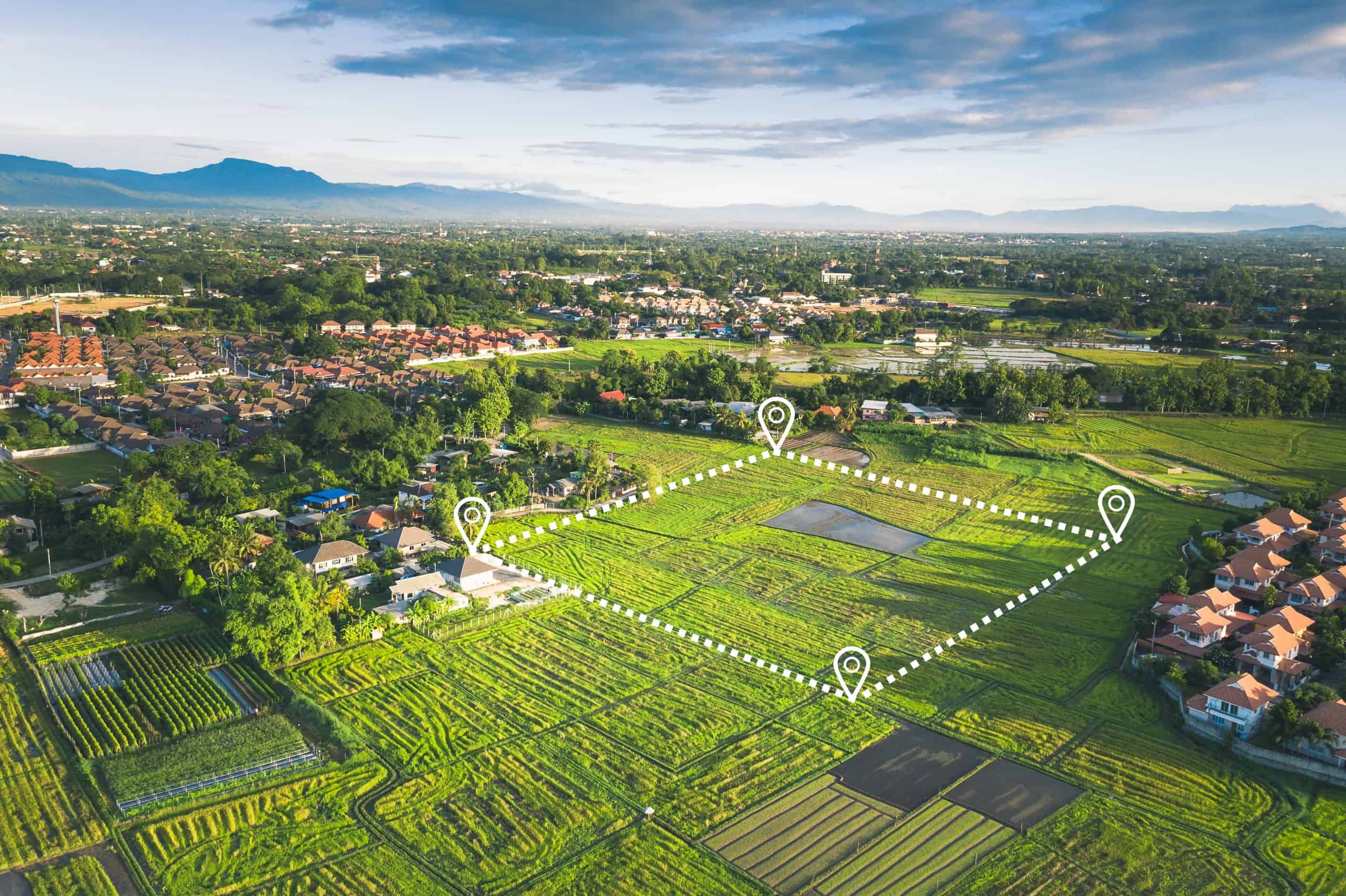
Property encroachment happens when a structure or improvement crosses your boundary line without permission. Think of it as trespassing, but with buildings instead of people.
The fence your neighbor installed five years ago might look fine from your kitchen window. But if it’s actually three feet onto your land, that’s an encroachment. Same goes for driveways, sheds, pool equipment, overhanging roofs, or even tree branches that permanently occupy your space.
Most encroachments aren’t malicious. Property owners often don’t know exactly where their boundaries end, especially in Martin County where older properties may lack recent surveys. The problem shows up during real estate transactions, refinancing, or when someone finally orders a professional boundary survey.
How Property Encroachment Affects Your Rights
Here’s where encroachment gets serious: ignoring it doesn’t make it go away. In Florida, someone who openly uses your land for seven continuous years without permission can claim legal ownership through adverse possession.
That shed that’s been sitting on your property since 2018? If you don’t address it by 2025, your neighbor might have a legal claim to that portion of your land. The law rewards continuous, open, and notorious use—meaning if they’ve been using it like they own it, and you’ve done nothing about it, the clock is ticking.
Even before adverse possession becomes an issue, encroachments create immediate problems. Title companies flag them during sales. Mortgage lenders refuse to close. Title insurance won’t cover the disputed area. Your property value drops because buyers don’t want to inherit your boundary problem.
The financial impact extends beyond the sale price. You might face liability if someone gets injured on the encroaching structure. You could be prevented from developing your own land because the encroachment blocks your plans. In some cases, you’ll need to hire an attorney just to sort out who owns what.
Florida courts can order removal of encroaching structures, award monetary damages, or create legal remedies like easements. But getting to that point means litigation—expensive, time-consuming, and unpredictable. A professional land survey identifies encroachments before they become legal nightmares, giving you options while you still have leverage.
Common Types of Property Encroachment in Martin County
Martin County’s diverse landscape and growing communities create specific encroachment scenarios. Fences top the list—built a few feet over the property line either by mistake or because someone assumed where the boundary sat.
Driveways and paved areas rank second. A homeowner extends their driveway for easier access, not realizing it crosses onto the neighbor’s parcel. Concrete and asphalt make these encroachments particularly expensive to remedy since removal means jackhammers and reconstruction.
Building additions cause bigger headaches. A sunroom, deck, or garage addition that seemed to fit the yard might actually intrude on adjacent property. These structural encroachments often surface during home sales when buyers order surveys, leaving sellers scrambling to resolve issues before closing.
Waterfront properties in Martin County face unique encroachment issues. Docks, seawalls, and boat lifts might extend beyond property lines into neighboring waterfront parcels or public access areas. The stakes run higher here because waterfront footage directly impacts property value.
Landscaping features create gray areas. A retaining wall, garden bed, or decorative border that crosses property lines might seem minor, but it’s still an encroachment. Tree branches and roots that permanently occupy neighboring airspace or underground space can also qualify, though these are typically easier to resolve than structural issues.
Utility installations without proper easements represent another category. A property owner runs electrical lines, water pipes, or septic systems across a neighbor’s land, assuming access rights they don’t actually have. Unlike utility company easements, which are typically documented and legal, these private installations often lack any authorization.
The key factor: intent doesn’t matter. Whether the encroachment happened by accident, through a surveying error, or because of outdated property records, the legal issue remains the same. The structure occupies land without permission, creating a cloud on the title until it’s resolved.
Understanding Land Easement Rights and Access
A land easement is the legal opposite of an encroachment. Instead of unauthorized use, an easement grants someone the documented right to use your property for a specific purpose.
Think of easements as permission slips that run with the land. They transfer with property ownership, meaning when you buy a property, you inherit whatever easements exist—whether they benefit you or burden you.
Utility companies hold easements allowing them to install and maintain power lines, water pipes, and sewer systems on private property. Your neighbor might have an easement to cross your land to reach their landlocked parcel. A conservation organization could hold an easement restricting development to preserve wetlands. All legal, all documented, all enforceable.
What Are Easement Rights and How They Work
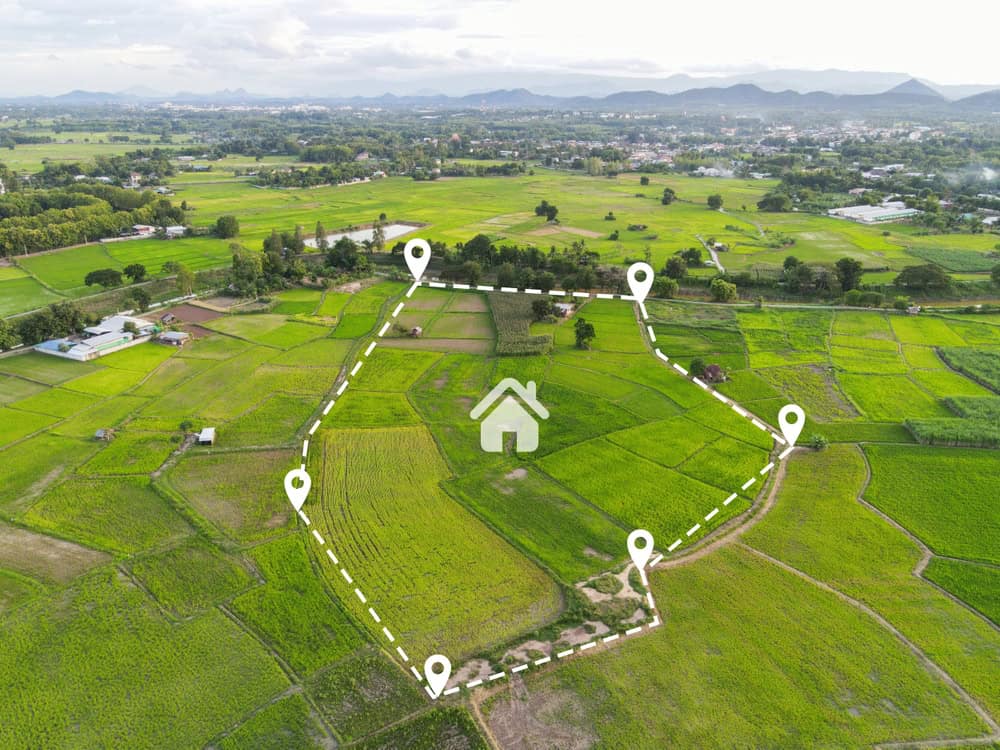
Easement rights define what the easement holder can and cannot do on your property. These rights are typically spelled out in recorded documents—deeds, contracts, or plat maps filed with Martin County.
An access easement might grant your neighbor the right to drive across a specific 20-foot strip of your property to reach the public road. The easement defines the location, width, and permitted use. Your neighbor can drive across it, but they can’t build on it, fence it off, or prevent you from crossing it yourself unless the easement specifies otherwise.
Utility easements usually restrict what you can build in the easement area. You still own the land, but you can’t put a swimming pool, permanent structure, or large trees where they’d interfere with utility access and maintenance. The utility company can enter your property to service their equipment without asking permission each time.
Easement rights come with responsibilities. The easement holder typically must maintain the easement area. If a shared driveway easement develops potholes, the party using it for access generally bears the maintenance burden. Property owners can’t interfere with legitimate easement use, but easement holders can’t exceed the scope of their rights.
Florida recognizes several types of easements beyond the express easements created by written agreement. Easements by necessity arise when a property has no other legal access to public roads—the law won’t allow a landlocked parcel to remain inaccessible. Prescriptive easements develop through 20 years of continuous, open use without permission, similar to adverse possession but creating use rights rather than ownership.
The distinction between easement rights and property ownership matters during development. You might own a waterfront lot, but if an easement grants public beach access across your property, you can’t block that access even though you hold the deed. Your development plans must work around existing easements, or you’ll need to negotiate their removal or relocation.
Courts enforce easement rights even when they’re inconvenient for property owners. If your deed shows an easement for your neighbor’s access, you can’t suddenly decide to revoke it because you want to build a fence. The easement runs with the land until it’s formally terminated through legal process or mutual agreement.
Access Easement Types and Development Impact
Access easements deserve special attention because they directly affect how you can use and develop your property. These easements grant someone the right to cross your land to reach their property or a public area.
Private access easements typically serve landlocked properties. Your neighbor’s parcel sits behind yours with no direct road frontage. An access easement across your property gives them legal passage to reach the public street. This easement might specify a particular route, width, and type of use—pedestrian only, vehicular access, or both.
The scope of an access easement can expand with reasonable development of the property it serves. If your neighbor’s easement was created when they had a single-family home, but they later subdivide into multiple lots, courts might allow increased traffic on the easement to serve the additional parcels. Property owners burdened by easements often find themselves accommodating more use than originally anticipated.
Shared driveway easements create mutual obligations. Both properties have the right to use the driveway, and both typically share maintenance responsibilities. These arrangements work smoothly until someone wants to repave, widen, or relocate the driveway—then you need clear documentation of who pays for what and who has final say on changes.
Development projects in Martin County must account for all existing access easements. You can’t build a structure that blocks an easement route. You can’t fence off easement areas in ways that prevent legitimate access. If your site plan conflicts with recorded easements, you’ll need to redesign or negotiate easement modifications before Martin County approves your project.
Easements by necessity require strict necessity—not mere convenience. If your landlocked neighbor has another way to access their property, even if it’s longer or less convenient, a court won’t create an easement across your land. But if there’s truly no other legal access, Florida law will impose an easement to prevent the property from being unusable.
Access easements affect property value differently depending on whether you benefit from them or bear their burden. If you own the landlocked parcel, the easement is essential—without it, your property might be unsaleable or unfinanceable. If you’re the property owner granting access, the easement might reduce your property’s appeal to certain buyers, though it typically won’t devastate value if it’s well-documented and reasonably located.
Buyers purchasing property in Martin County should review all recorded easements before closing. Title insurance typically excludes coverage for easements shown in the title report, meaning you accept them as-is. A professional survey shows exactly where easements are located on the ground, helping you understand how they’ll affect your use of the property.
Distinguishing between legal access easements and unauthorized encroachments requires professional surveying. What looks like a shared driveway might be an easement—or it might be your neighbor using your land without permission. The difference determines whether you can demand removal or must accommodate continued use.
Protecting Your Property Rights in Martin County
Property encroachment and easements represent opposite ends of the property rights spectrum. One is unauthorized and potentially illegal. The other is documented and enforceable. Knowing which situation you’re facing determines your legal options and next steps.
Professional boundary surveys cut through the confusion. A licensed surveyor identifies exact property lines, documents encroachments, and locates recorded easements on your actual land. This information protects you from adverse possession claims, prevents title problems during sales, and gives you the documentation needed for informed decisions about easement negotiations or legal action.
Whether you’re buying property, planning development, or dealing with a boundary dispute, don’t guess about your property rights. The cost of a survey is minimal compared to the legal fees, lost equity, and project delays that come from unresolved encroachment and easement issues. We provide the accurate, detailed surveys Martin County property owners need to protect their investments and move forward with confidence.