
Summary:
You own the property. You have the deed. But that doesn’t always mean you control every square foot of it. Easements give other parties—utility companies, neighbors, even the public—legal rights to use portions of your land. And if you don’t know where those easements are or what they allow, you could face construction delays, permit denials, or worse: watching a crew tear down something you just built. Understanding what an easement actually means, how it affects your property rights, and when you need a professional survey can save you from costly mistakes and protect what you’ve invested in.
What Does Easement Mean for Property Owners
An easement is a legal right that allows someone other than you to use a specific part of your property for a defined purpose. It doesn’t transfer ownership. You still own the land. But the easement holder has enforceable rights to access or use that portion of your property, and those rights typically stay in place even if you sell.
In Florida, easements are governed by Chapter 704 of the Florida Statutes. They’re recorded in public records, run with the land, and bind future owners. That means when you buy property with an existing easement, you inherit the restrictions whether you knew about them or not.
How Easements Affect What You Can Build
Easements don’t just sit quietly in your property deed. They actively limit what you can do with your land. Most easements prohibit permanent structures within the easement area. That includes pools, sheds, additions, garages, and sometimes even fences or landscaping features.
Utility easements are the most common example. If there’s a sewer line, gas main, or power line running underground through your backyard, the utility company has the legal right to access it for maintenance or repairs. If you build a patio, deck, or pool over that easement, the utility company can remove it without liability and without compensating you for the loss.
Development plans in Florida are often shaped by existing easements. Drainage easements may prohibit altering land contours or blocking water flow. Access easements could mean neighbors have the legal right to drive across your property to reach theirs. Conservation easements might restrict any development at all to preserve wetlands or wildlife habitat.
Ignoring easement restrictions doesn’t make them go away. It leads to code violations, legal disputes, permit denials, and in some cases, forced demolition. Property owners in Martin County and across Florida must account for easements early in any planning process. A professional land survey identifies exactly where easements are located and what activities they restrict, so you can design around them instead of discovering the problem after construction begins.
Easement Rights and Legal Implications in Florida
Easements create enforceable legal obligations. The property burdened by the easement is called the servient estate. The party benefiting from the easement—whether that’s a neighboring property, a utility company, or the public—holds rights that Florida law protects.
Easement holders have the right to use the servient estate as outlined in the easement terms. For utility easements, that typically includes installation, maintenance, and emergency repairs. For access easements, it means the legal right to cross the property. And if the servient property owner interferes with those rights, the easement holder can seek legal remedies, including injunctions and damages.
Florida property owners generally cannot modify or terminate easements without consent from the easement holder or court approval. Attempting to block access, build over easement areas, or otherwise interfere with easement rights can result in legal liability. In some cases, property owners have been forced to remove structures, restore access, and pay for legal fees and damages.
Easements typically run with the land, meaning they remain attached to the property even when ownership changes. Undisclosed easements can delay closings, affect financing, or lead to buyer hesitation. That’s why title searches and professional property surveys are essential before listing or purchasing property. They identify recorded easements and, in some cases, unrecorded easements that could still be legally enforceable.
Understanding your legal rights and obligations under an easement isn’t optional. It’s a fundamental part of protecting your property investment and avoiding disputes that can cost thousands of dollars to resolve.
Types of Easements That Affect Florida Properties
Not all easements work the same way. Some benefit neighboring properties. Others benefit companies or the public. The type of easement determines who holds the rights, how those rights transfer, and what restrictions apply to your land.
Florida recognizes several categories of easements based on how they’re created and who they benefit. Knowing which type affects your property helps you understand what’s allowed, what’s restricted, and how permanent those limitations are.
Utility Easement on My Property: What It Means
Utility easements are among the most common easements affecting residential and commercial properties in Florida. These easements grant utility companies—electric, water, sewer, gas, telecommunications—the legal right to install and maintain infrastructure on private property.
Utility easements are typically easements in gross, meaning they benefit a specific company or entity rather than a neighboring parcel of land. They don’t transfer with property ownership changes unless specifically stated, but in practice, utility easements recorded in public records remain in effect indefinitely.
Property owners cannot build permanent structures over utility easements. That includes buildings, pools, retaining walls, and in many cases, even large trees or permanent landscaping. The utility company must have unimpeded access to their equipment, and if emergency repairs are needed, they can excavate, remove obstructions, and restore service without compensating the property owner for damage to landscaping or improvements.
In Martin County and throughout Florida, utility easements are often located along property lines, in side yards, or running through backyards. They’re usually marked on subdivision plats and recorded in property deeds. But older properties or those with underground utilities may have easements that aren’t immediately visible. A professional land survey reviews property records, identifies utility easement locations, and maps them precisely so you know where you can and cannot build.
If you’re planning any construction, landscaping, or property improvements, identifying utility easements first prevents costly mistakes. Building over an easement doesn’t void the easement. It just means the utility company has the legal right to remove what you built.
Access Easement and Right of Way Through Private Property
Access easements, also called easements of ingress and egress, provide a legal right to enter and exit a property by crossing someone else’s land. In Florida, these easements are especially important for landlocked parcels that have no direct access to a public road.
An access easement ensures that the benefiting property owner can legally cross neighboring land for travel. These are typically easements appurtenant, meaning they benefit a specific piece of property (the dominant estate) and burden another (the servient estate). The easement runs with the land, so it continues even if either property is sold.
Access easements may be created by written agreement, implication from prior use, or necessity. Florida Statute 704.01 provides for easements by necessity when a property is landlocked and has no reasonable access to a public road. In these cases, the law presumes a right of access across the land that separates the landlocked parcel from the nearest public road.
Right of way through private property is similar but more limited. While an access easement may include the right to improve the access route (grading, paving, installing drainage), a right of way typically only allows passage. The scope of use, maintenance responsibilities, and permitted improvements are usually defined in the easement agreement.
Disputes often arise over the scope of access easements. If the easement was created decades ago for occasional foot traffic, can the dominant estate now use it for daily vehicle access? What if the property is subdivided and multiple owners want to use the same easement? Florida courts look to the language of the easement agreement, the circumstances at the time it was created, and the reasonable needs of both properties.
For property owners in Martin County dealing with access easements, professional survey documentation is critical. A licensed surveyor can identify the exact location of the easement, verify its legal description, and provide the documentation needed for permits, construction planning, or resolving disputes. Clear survey documentation prevents conflicts before they escalate into costly legal battles.
How Professional Land Surveys Identify Easements
Easements aren’t always obvious. Some are buried underground. Others exist only in decades-old plat books or unrecorded agreements. Discovering an easement after you’ve already designed a project, pulled permits, or started construction can derail everything.
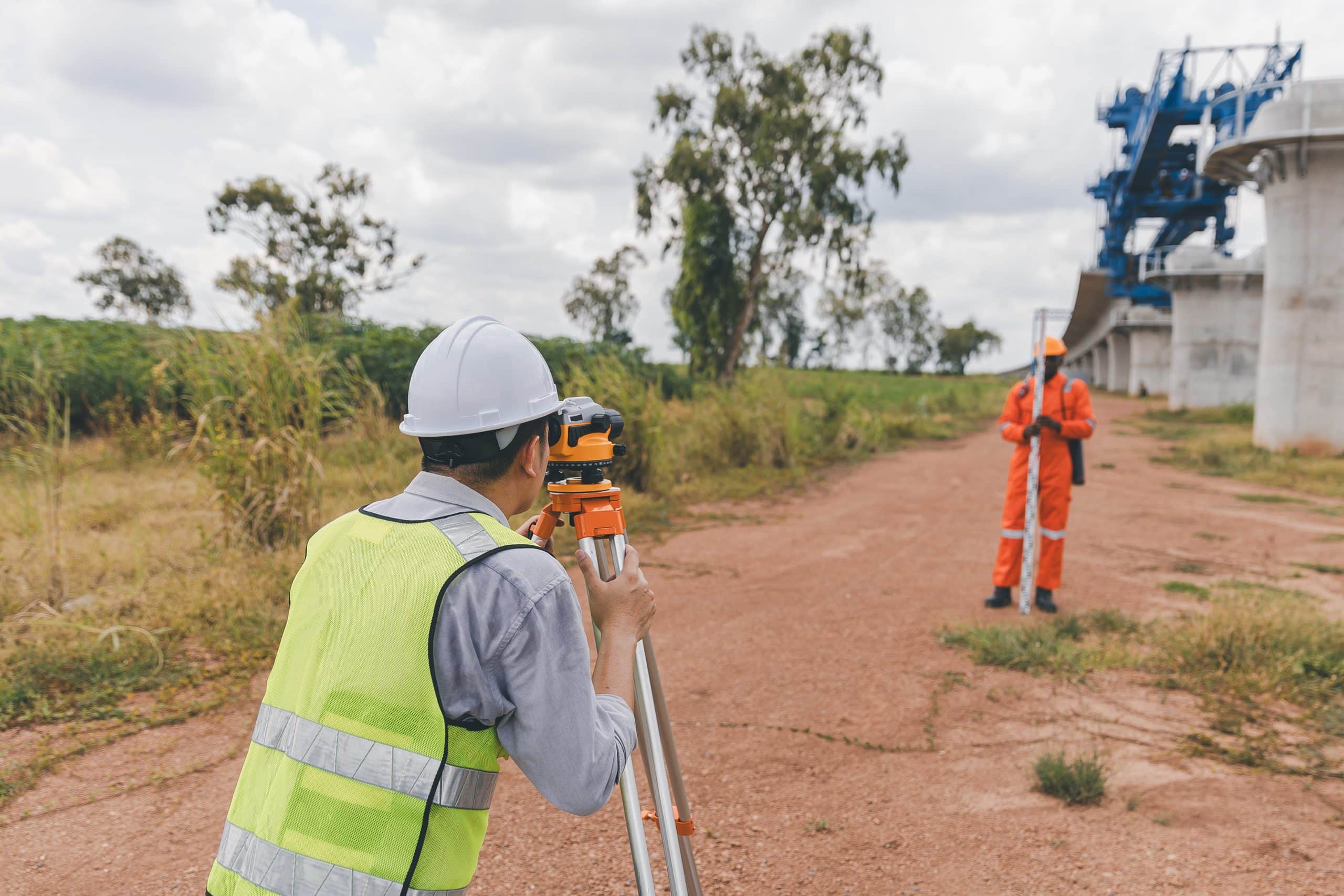
We identify easements by reviewing property deeds, title records, subdivision plats, and county land records. We conduct physical inspections to identify visible signs like utility markers, access paths, or drainage structures. And we use modern technology—GPS, 3D laser scanning, and aerial drone surveys—to map easement locations with precision.
In Martin County and across Florida, we provide comprehensive easement identification and documentation services. Our licensed surveyors have expertise in Florida property law and ensure that every easement affecting your property is identified, accurately mapped, and clearly explained. Whether you’re buying property, planning construction, or resolving a boundary dispute, our professional survey documentation protects your investment and prevents costly surprises. Reach out to us at Aero Land Surveyors to get the clarity you need before your next property decision.