Summary:
You’ve got plans. A new fence along the back property line. Maybe a pool. Perhaps a commercial building that maximizes every square foot of your Martin County lot. Then someone mentions easements, and suddenly you’re wondering if your project just hit a wall.
Here’s the reality: easements exist on more properties than you’d think, and they can absolutely dictate where you can and cannot build. They’re not suggestions. They’re legal rights that allow utility companies, neighbors, or government entities to use portions of your land for specific purposes, whether you like it or not.
The good news? Knowing what easements exist, understanding what they restrict, and planning around them from the start keeps your project moving forward. Let’s break down what property easements actually mean for your development plans.
What Are Property Easements and Why Do They Matter
An easement is a legal right that allows someone else to use a specific portion of your property for a defined purpose. You still own the land. You still pay taxes on it. But you don’t have full control over how that section gets used.
Think of it this way: utility companies need access to power lines, water mains, and sewer systems. Neighbors might need to cross your land to reach a public road. Municipalities require space for drainage to prevent flooding. These needs don’t disappear just because you own the property, so easements formalize those rights in a way that’s legally binding and enforceable.
In Florida, easements are governed by Chapter 704 of the Florida Statutes, and they come with real consequences. If you build a structure in an easement area without permission, you might be required to remove it at your own expense. Utility companies can tear down fences to access underground lines. Buyers can walk away from deals when undisclosed easements surface during due diligence.
Common Types of Property Easements in Martin County
Not all easements are created equal, and understanding the differences matters when you’re planning construction or development. The type of easement on your property determines who has rights, what they can do, and how it impacts your plans.
Utility easements are the most common. These allow service providers like electric companies, water districts, and telecommunications firms to install and maintain infrastructure across private property. In Martin County, you’ll often see utility easements running along rear or side property lines, typically ranging from 5 to 15 feet wide. Property owners generally cannot build permanent structures within these areas, and utility companies have the right to enter for maintenance or repairs without advance notice in many cases.
Appurtenant easements involve two properties where one benefits from access across the other. A classic example is a shared driveway where your neighbor has the legal right to cross your land to reach the street. These easements “run with the land,” meaning they transfer automatically when either property is sold. The dominant estate is the property that benefits, while the servient estate is the one burdened by the easement.
Easements in gross benefit a person or entity rather than a specific parcel of land. Utility easements often fall into this category. Unlike appurtenant easements, these may or may not transfer when property changes hands, depending on how they’re structured and whether they’re personal or commercial in nature.
Prescriptive easements can catch property owners off guard because they’re created through use rather than written agreement. In Florida, if someone uses a portion of your property openly, continuously, and without permission for 20 years, they may establish a legal easement by prescription. This often happens with access paths or driveways that neighbors have used for decades.
Drainage easements protect water flow across properties to prevent flooding and erosion. These are critical in Florida’s climate and often restrict any construction that could obstruct water movement. Building a fence or structure in a drainage easement can create flooding problems on your property or your neighbor’s, and the county can require removal.
Conservation easements limit development to protect environmental resources, wetlands, or historic sites. Once established, these easements typically cannot be changed to allow development, and violating them can result in fines or legal action.
How Easements Are Created and Documented in Florida
Easements come into existence through several legal pathways, and knowing how they’re created helps you understand what you’re dealing with on your property. The most straightforward is an express easement, created through a written agreement that’s recorded in the county’s public records. These are typically part of property deeds or subdivision plats and clearly spell out the location, purpose, and scope of the easement.
Implied easements arise from circumstances rather than written documents. An easement by necessity occurs when a property is landlocked and requires access across another parcel to reach a public road. Florida law presumes that when land is divided in a way that cuts off access, an easement is automatically created to provide that access. An easement by prior use can be implied when two parcels were once part of the same property and one portion depended on the other for utilities or access before they were separated.
Prescriptive easements, as mentioned earlier, develop through long-term use. To establish one in Florida, the use must be actual, continuous, open, notorious, and adverse to the owner’s rights for at least 20 years. This means the person claiming the easement must have used the property in a way that was visible and without the owner’s permission. If you’ve allowed a neighbor to cross your land with explicit permission, that typically prevents a prescriptive easement from forming.
Easements are usually recorded with the county clerk’s office and appear on property surveys, plats, and title reports. In Martin County, you can find easement information through the property appraiser’s office, county GIS mapping tools, or by requesting copies of recorded plats and deeds. A professional land survey is often the most reliable way to identify all easements affecting a property, as surveyors conduct title research and overlay recorded easements onto accurate property maps.
The documentation matters because easements are considered encumbrances on property titles. They affect legal ownership rights and transfer to future owners in most cases. When you buy property in Florida, you acquire it subject to any existing recorded easements, whether you knew about them or not. This is why title searches and surveys are standard practice in real estate transactions, and why skipping them can lead to expensive surprises down the road.
How Property Easements Affect Construction and Development
Here’s where easements move from legal theory to real-world impact on your plans. Easements directly affect site layout, drainage design, and infrastructure planning. They determine where buildings, driveways, fences, and utilities can or cannot be placed.
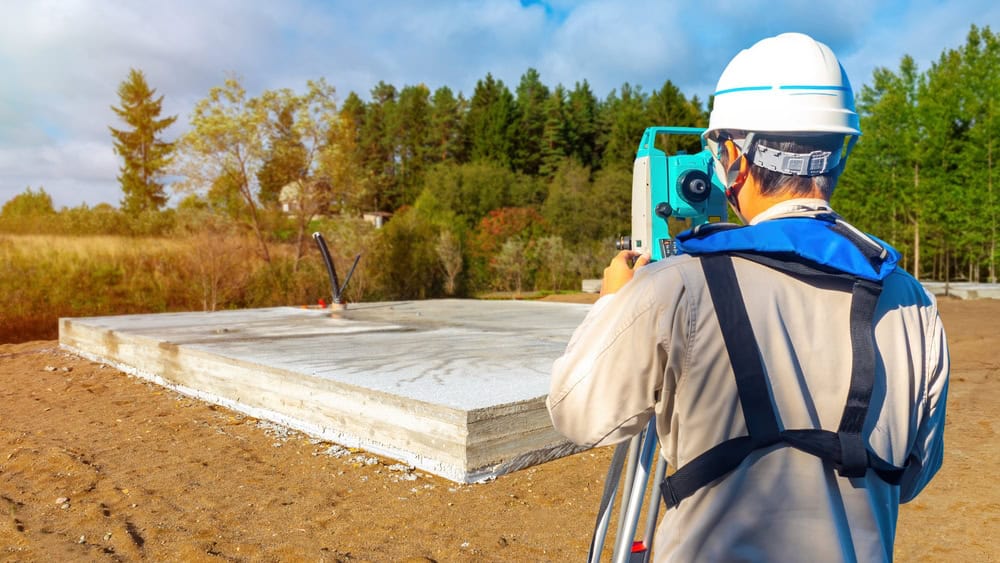
Before you break ground on any project in Martin County, identifying and mapping all recorded easements should be step one. A civil engineer or land surveyor conducts a title review and overlays easements onto your project survey, showing exactly where restrictions exist. Ignoring this step can lead to costly redesigns, permitting delays, or even legal disputes.
Property owners must account for existing easements when designing new structures, landscaping, or renovations. Some easements limit the extent of development on a piece of land, potentially affecting property value and your ability to use the space as intended. For example, you may not be allowed to build a fence or structure over a utility easement, even though it’s technically on your land.

Building Fences and Structures Near Easement Areas
Fence installation is one of the most common projects where easements become an issue. You want privacy and clear boundaries, but if your planned fence line crosses a utility or drainage easement, you’re looking at potential problems.
Technically, you can often build a fence within an easement area, but there’s a catch: the easement holder has the right to remove it if they need access, and they don’t have to compensate you or rebuild it. Utility companies can destroy your fence to access underground lines. Municipalities can require removal if a fence obstructs drainage. This means any structure you build in an easement is at risk.
The smarter approach is to build at the edge of the easement rather than through it. If your rear property line has a 10-foot utility easement, set your fence 10 feet inside the property line. Yes, you lose some yard space, but you gain certainty that your fence won’t be torn down six months after installation.
Before installing any fence in Martin County, check your property survey for easements, contact utility companies to verify their locations, and consider having underground lines marked through the 811 service. Some easements require specific fence designs, like gaps at the bottom for water flow in drainage easements, or removable sections for access easements.
The same principles apply to pools, sheds, patios, and other structures. Property owners cannot interfere with the scope of the easement, even if the easement holder doesn’t currently need the entire area. Building permanent structures with deep foundations in utility easements can damage underground infrastructure and create liability issues. If you’re planning development that might affect an easement, securing written permission from the easement holder before construction is essential.
In some cases, easements can be modified or vacated through a formal application process with the granting agency or utility provider. This often involves public hearings and approval from relevant authorities. For developments requiring easement changes, working with experienced surveyors and attorneys familiar with Martin County procedures can streamline the process.
Impact on Property Value and Real Estate Transactions
Easements don’t just affect what you can build; they can significantly impact your property’s market value and your ability to sell or refinance. Large or restrictive easements reduce usable land area and limit development flexibility, which can translate to lower valuations. On the flip side, easements that provide essential access or utilities can add value, especially for properties that would otherwise be landlocked.
During real estate transactions, easements must be disclosed to buyers. They’re typically identified during title searches and noted in title insurance policies. If you’re buying property in Martin County, reviewing the title commitment and survey for easements is a critical part of due diligence. Unexpected easements can affect your plans for the property and may give you grounds to renegotiate or walk away from the deal.
Lenders also care about easements. Mortgage companies may have concerns about utility or access easements, particularly on vacant or rural land. Title insurance companies often exclude known easements from coverage unless specifically addressed, which means buyers need to understand what restrictions they’re inheriting.
For sellers, failing to disclose known easements can create legal liability. Florida law generally requires sellers to disclose easements that limit property use, especially if they interfere with privacy, access, or future development. Providing clear documentation of all easements upfront demonstrates transparency and can prevent disputes during closing.
Easements also affect refinancing and property modifications. If you bought without a survey and later need to refinance, the lender may require one. That’s when undisclosed easements sometimes surface, potentially complicating the transaction or revealing that improvements you made violate easement restrictions.
The key takeaway: easements are permanent features that run with the property and bind future owners. Understanding them before you buy, build, or sell protects your investment and prevents costly surprises. In Martin County’s active real estate market, where development pressure is increasing, professional easement identification through comprehensive surveys has become more important than ever.
Protecting Your Development Plans with Professional Surveying
Property easements aren’t going away, and pretending they don’t exist won’t make your construction project any easier. The properties in Martin County that move forward smoothly are the ones where easements are identified early, understood completely, and planned around from the beginning.
Whether you’re installing a fence, developing a commercial site, or buying property with future plans in mind, knowing exactly where easements exist and what they restrict is essential. Professional land surveying provides that clarity through title research, field verification, and detailed mapping that shows the relationship between easements and your property boundaries.
When you work with licensed surveyors who use modern technology like GPS and 3D laser scanning, you get accurate documentation that holds up legally and gives you confidence in your development decisions. You know where you can build, what restrictions apply, and how to move forward without risking expensive mistakes.
If you’re planning any construction or development in Martin County, FL, we can help you identify and document easements accurately. Our team provides comprehensive survey reports that clarify property rights and protect your investment from the start.