
Summary:
You’ve got the plans drawn up. The pool contractor is ready. Then the survey comes back showing a utility easement running right through your planned construction area. Now what?
Right of way through private property affects thousands of Martin County homeowners every year, often at the worst possible time. You own the land, you pay taxes on it, but someone else has legal rights to use part of it. That creates real limitations on what you can build and where.
The good news is that understanding these restrictions early prevents costly mistakes. Let’s break down what you’re actually dealing with and how to move forward without expensive surprises.
Understanding Right of Way Through Private Property
A right of way is a legal agreement that allows someone else to use a specific part of your property for a defined purpose. You still own the land. You still pay property taxes on every square foot. But the agreement grants another party certain usage rights.
In Florida, right of way is typically treated as an easement. Under Chapter 704 of the Florida Statutes, these easements grant specific use rights without transferring actual ownership. Think of it like this: you own the property, but others have permission to access it for things like maintaining utility lines, accessing landlocked parcels, or installing infrastructure.
The critical detail that catches most property owners off guard is that easements “run with the land.” They don’t disappear when you buy the property. They don’t expire when utility companies upgrade their systems. If an easement was recorded before you purchased, you inherited it along with the property itself. Future buyers will inherit it from you.
What Rights Does an Easement Actually Grant
An easement doesn’t give someone else ownership of your property. It grants them a nonpossessory interest, which means they can use the land for the specific purpose outlined in the easement agreement, but they don’t own it.
For utility companies, this typically means the right to install, maintain, repair, and replace infrastructure like power lines, water pipes, sewer systems, and telecommunications equipment. They can access your property when needed. They can dig up your yard if they need to repair a line. They can trim trees that interfere with power lines.
For driveway easements, the agreement might allow a neighbor to cross your property to reach their landlocked parcel. The easement defines the width of the access route, where it’s located, and what type of use is permitted. Some easements specify vehicle access, while others might only allow foot traffic.
The scope matters tremendously. An easement created decades ago for a simple water line doesn’t automatically grant rights for fiber optic cables or additional utility services. But the original purpose does define what’s reasonable. If the easement was for utilities, the utility company can typically upgrade or expand within that same corridor without needing new permission.
What you can’t do is interfere with the easement’s purpose. You can’t build a permanent structure that blocks access. You can’t plant trees with deep roots that might damage underground utilities. You can’t install a fence that prevents the easement holder from using their legal rights. If you do, they can compel you to remove the obstruction, and you’ll pay for it.
Property owners often assume they can negotiate or simply refuse access. That’s not how easements work. Once recorded, they’re legally binding. The easement holder doesn’t need to ask permission each time they need access. They already have it.
Types of Easements in Martin County
Florida law recognizes several types of easements, and each one affects your property differently.
Utility easements are the most common. These give power companies, water districts, sewer authorities, and telecommunications providers the right to run infrastructure across private property. In Martin County, these easements are typically recorded on subdivision plat maps and property deeds. They’re usually located along property lines, in rear yards, or following natural drainage patterns. You’ll see them marked on surveys as “utility easement” with dimensions, often 7.5 to 15 feet wide.
Easements by necessity arise when a property is landlocked and has no other way to reach a public road. Under Florida Statute 704.01, if your property or a neighbor’s property was divided from a larger parcel and one piece has no access, an easement by necessity can be established. This isn’t optional. It’s required by law to ensure property owners can actually use their land.
Driveway easements allow specific parties to cross your property to access their own. These are common in areas where properties were subdivided or where shared access makes more sense than building multiple driveways. The easement should specify the exact location, width, and maintenance responsibilities. If it doesn’t, disputes often follow.
Drainage easements manage stormwater flow. In Florida’s climate, proper drainage isn’t optional. These easements ensure water can flow naturally from one property to another without obstruction. Building a pool or patio in a drainage easement can cause flooding problems and create liability if your construction diverts water onto neighboring properties.
Prescriptive easements develop through long-term use. If someone has openly and continuously used part of your property for 20 years without your permission, they may be able to claim a legal easement. This is why property owners should address unauthorized use immediately rather than letting it continue.
Conservation easements restrict development to protect natural resources, wetlands, or environmentally sensitive areas. Martin County has seen conservation easements used to preserve working lands and protect water quality. Once established, these easements permanently limit what can be built on the property.
Utility Easements on Your Property: What You Need to Know
Utility easements affect what you can build, where you can build it, and what happens if the utility company needs access. For homeowners planning construction projects, these easements create real restrictions that can’t be ignored.
The utility company doesn’t own the land, but they have permanent access rights. Those rights were typically granted when the subdivision was developed, often decades before you bought the property. The easement is recorded in public records and appears on your property’s plat map and survey.
Here’s what most homeowners don’t realize until it’s too late: you cannot build permanent structures within utility easements. That includes pools, garages, sheds, home additions, and sometimes even fences. If you do, the utility company can require you to remove them at your expense.
Can You Build a Pool on a Utility Easement
This is where many Martin County homeowners run into expensive problems. You want to add a pool. The backyard seems perfect. Then the survey shows a utility easement running right through your planned pool location.
Utility companies typically prohibit permanent structures within their easements. A pool is definitely a permanent structure. Even if no utilities currently run through that exact spot, the easement grants future access rights. If the utility company needs to install new lines, upgrade existing infrastructure, or perform emergency repairs, they can excavate within their easement.
If your pool is in the way, they can require its removal. And you’ll pay for it.
This isn’t theoretical. Homeowners across Florida have faced this exact situation. They built pools without checking easements first, or they assumed the utility company would never actually use that space. Years later, when infrastructure needed upgrading or repairs, they received notice that their pool violated the easement and had to be removed.
Some homeowners discover the problem during the permit process. The city or county reviews the site plan, sees the easement conflict, and denies the permit. Now you’ve paid for pool design, possibly even excavation, and you can’t proceed.
The best-case scenario is getting permission from the easement holder before construction begins. Some utility companies will grant exceptions for specific projects if the structure doesn’t interfere with their infrastructure. But they’re not required to say yes, and the approval process takes time.
A professional survey identifies these conflicts before you spend money on design and permitting. The survey shows exactly where easements are located, how wide they are, and whether your planned construction will encroach. That information lets you adjust plans early, when changes are still affordable.
Above-ground features like landscaping, grass, and shallow-rooted plants are usually acceptable on utility easements. Some utility companies even allow removable structures like above-ground hot tubs or temporary fencing. But anything permanent that requires excavation or blocks access is problematic.
How to Find Utility Easements Before Construction
Finding easements before you start construction isn’t complicated, but it does require checking multiple sources. Relying on just one document can miss easements that weren’t properly recorded or were established through long-term use.
Start with your property deed. Easements are often referenced in the legal description, though the deed might not show exact locations. You’ll see language like “subject to utility easements of record” or references to plat book and page numbers where easements are detailed.
Your title report from when you purchased the property should list recorded easements. Title companies research public records to identify encumbrances, liens, and easements that affect the property. If you don’t have your title report, contact the title company that handled your closing.
The subdivision plat map shows easements as they were originally platted. In Martin County, you can access plat maps through the county recorder’s office or online through the county’s property records system. These maps display easement locations, dimensions, and purposes.
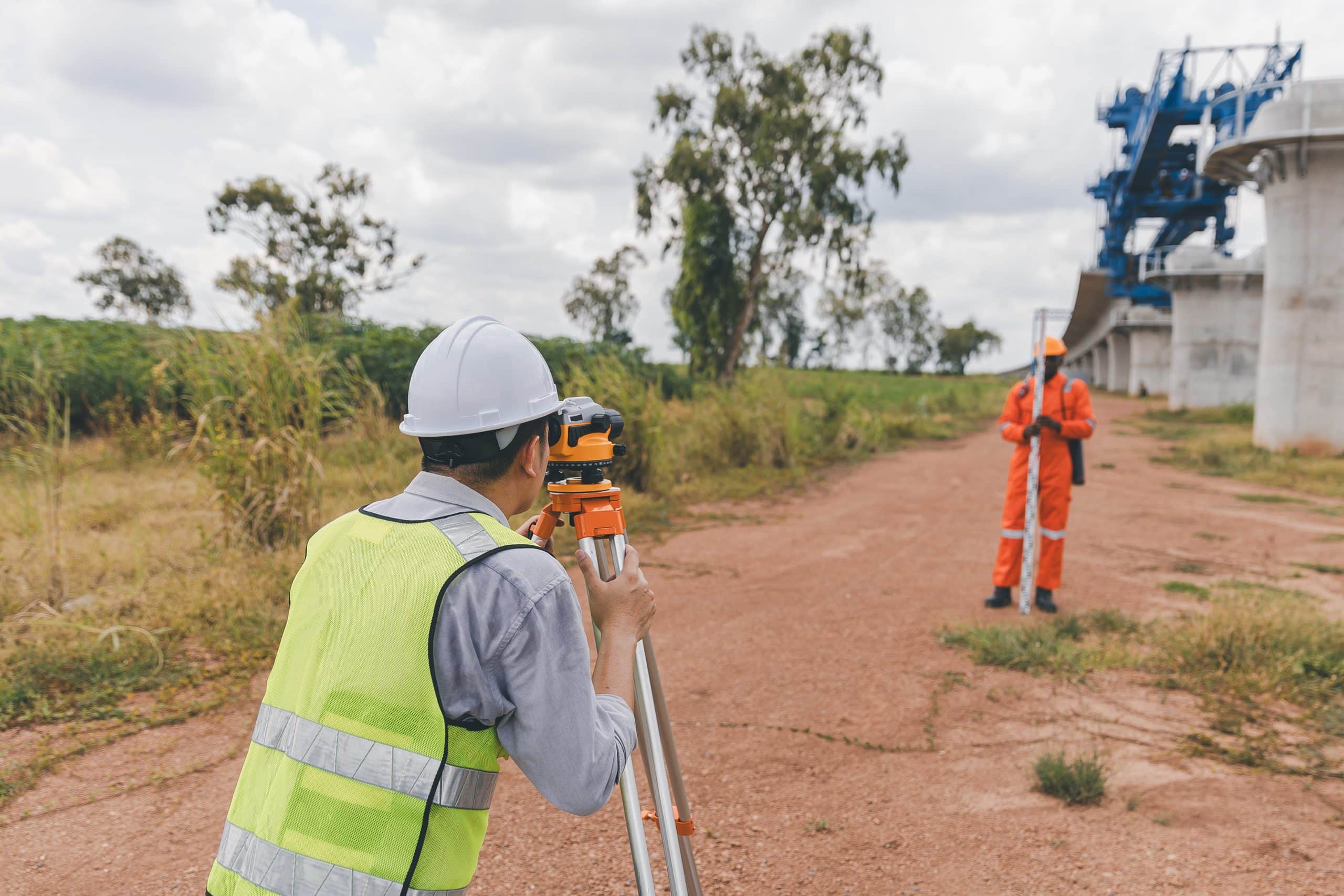
A professional boundary survey provides the most accurate easement information. Licensed surveyors research property records, locate physical markers, and create detailed maps showing property lines, structures, and easements. The survey will clearly indicate where easements are located in relation to your property boundaries and existing structures.
Contact utility companies directly. Power companies, water districts, and telecommunications providers maintain records of their easements. They can often provide maps showing where their infrastructure is located on your property. In Martin County, you can request utility easement information through the county’s utility services.
Check with your county recorder or clerk’s office. Easement agreements are public records. You can search by property address, parcel number, or legal description to find recorded easements. Some easements were established decades ago, so you may need to review historical records.
Don’t skip this research. A few hours of checking records now prevents months of permit delays, thousands in redesign costs, and the possibility of having to remove completed construction.
Protect Your Construction Plans with Professional Surveying
Right of way through private property isn’t going away. These easements serve important purposes, from ensuring utility access to providing routes for landlocked properties. But they do create real limitations on what you can build.
The homeowners who avoid problems are the ones who identify easements before they commit to construction plans. A professional survey shows exactly what restrictions affect your property, where they’re located, and how they impact your project. That information lets you design around easements, seek necessary permissions, or adjust plans while changes are still affordable.
Discovering easement conflicts after construction begins turns an easy adjustment into an expensive problem. Permit denials, redesign costs, and potential structure removal all become real possibilities.
If you’re planning construction in Martin County, FL, start with accurate information about your property. We provide detailed boundary surveys that identify easements, property lines, and restrictions before they impact your project. Our clear reports, modern technology, and experienced surveyors help you move forward with confidence.